How the Home Environment Shapes a Child's Lifestyle Awareness
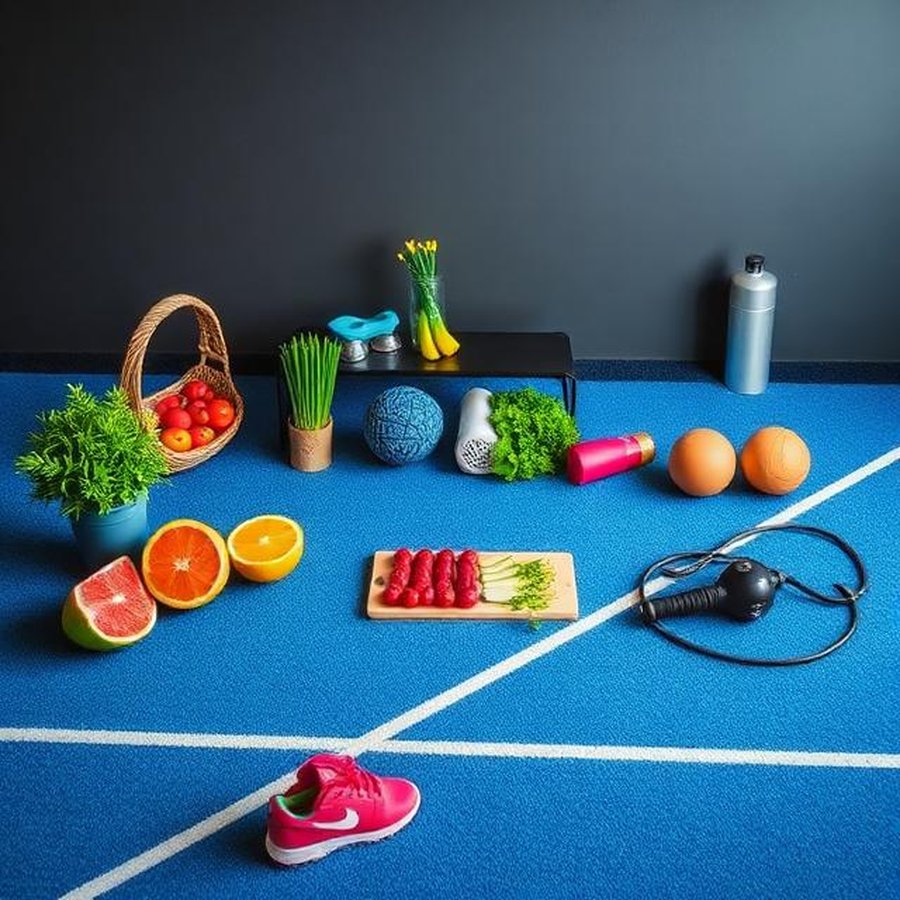
The home is one of the primary spaces where children spend the most time in early life. The atmosphere and daily patterns experienced in this environment can meaningfully influence a child's understanding of lifestyle. Family members' behaviors and ways of speaking naturally become subjects of observation for developing children. Children learn not only through direct instruction but through the constant absorption of what they witness in the people around them.
Modeling as the Primary Teaching Tool

Decades of developmental research confirm that children are sophisticated observers. They pay close attention to the consistency between what adults say and what adults actually do. When parents maintain regular meal times, prioritize sleep, engage in physical activity, and manage stress constructively, children absorb these patterns as normal, expected features of daily life. This observational learning operates largely below conscious awareness — children are not deliberately studying their parents, but they are continuously updating their internal model of what "a normal day" looks and feels like.
This is both an opportunity and a responsibility. The most influential lifestyle education a child receives happens not in conversations about health but in the mundane, repeated patterns of how the household functions day to day. A home where adults read regularly will tend to produce readers. A home where movement is a natural part of the day will tend to produce active children.
Physical Environment and Lifestyle Formation
The physical layout and features of the home also influence lifestyle patterns. Homes with accessible play spaces encourage physical activity. Kitchens where children can participate in meal preparation cultivate interest in food and cooking. Reading areas with comfortable seating and accessible books support literacy habits. These environmental design choices operate quietly but consistently, making certain behaviors easy and natural while others remain effortful and uncommon.
The Balance Between Structure and Freedom
Children thrive with predictable structure — consistent meal times, bedtimes, and rhythms that provide the scaffold of a dependable day. Within this structure, freedom to explore, make small choices, and experience natural consequences builds the executive function skills that underlie healthy self-regulation in adulthood. The research on authoritative parenting — warm but structured — consistently shows better outcomes in children's self-regulation, academic performance, and social competence compared to either permissive or authoritarian approaches.
Home is not just where children live. It is the first environment that teaches them how life is lived.
Creating a home environment that consciously supports healthy lifestyle formation does not require perfection or rigidity. It requires intention — thoughtful choices about which habits to model, which environments to create, and which conversations to have regularly. Small, consistent actions accumulate over years into the lifestyle foundations children carry into adulthood.
Practical ways to apply this today
Reading is useful only if it turns into a repeatable action. Pick one small change that matches your current level, schedule, and environment. Then repeat it until it feels automatic.
- Choose a baseline: what can you do comfortably right now?
- Pick one variable: time, intensity, or frequency — change only one at a time.
- Track the signal: energy, mood, sleep, breath, or performance (whatever matters most for this topic).
Common mistakes to avoid
Most people fail because of planning errors, not lack of motivation. These are the most frequent issues we see in Family Environment routines:
- Doing too much too soon and needing long recovery.
- Changing multiple habits at once and not knowing what helped.
- Ignoring environment — the easiest habit is the one your space supports.
- Relying on willpower instead of a simple schedule and reminders.
A simple 7‑day mini‑plan
This is a lightweight structure you can adapt. The goal is consistency and feedback, not perfection.
- Day 1: Set a realistic goal and prepare your environment.
- Day 2: Do the smallest version of the habit.
- Day 3: Repeat and note what was easy or hard.
- Day 4: Add a small upgrade (a little time or quality).
- Day 5: Keep it steady — don’t add more.
- Day 6: Review your notes and adjust one detail.
- Day 7: Repeat, then write a one‑sentence takeaway.
Quick FAQ
How do I know if I’m doing this correctly?
Use a simple marker you can measure: perceived effort, comfort, consistency, and a basic performance signal (like how long you can sustain the routine). Improvement should be gradual.
What if my schedule is inconsistent?
Make the “minimum version” of the habit so small you can do it on your busiest day. Consistency is built by lowering friction, not by adding pressure.
Can I combine this with other goals?
Yes — but introduce changes one at a time. If you add multiple new habits in the same week, it becomes harder to learn what actually works for you.
Summary
How the Home Environment Shapes a Child's Lifestyle Awareness is most effective when you turn the idea into a routine, reduce friction, and measure progress in a way that matters to you.